Life of a herring girl
Recorded 1 year ago

 About this recording
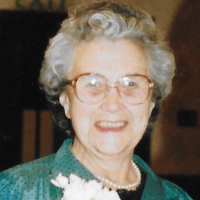
This interview was conducted in the 1980s. The purpose of the interview was to record Mrs Agnes Grant, formerly Agnes Murray, giving a first-hand account of her life as a herring girl. The interviewer was Kathleen Robertson.
Agnes was born in Ness, at the northern tip of the Isle of Lewis in 1911. She started work as a herring girl when she was 16 and explains how she was invited to join a crew as a gutter. A crew consisted of two gutters and one packer. Agnes describes their journey as they made their way from Stornoway to Wick to work in a curing yard on the north side of the town.
The herring girls were employed primarily to gut, cure, and pack the fresh herring within 24 hours of being caught. It was highly skilled work, which meant the women were in high demand and would travel around the UK throughout the herring fishing season.
In this interview Agnes recalls some of the places where she worked. She talks about the challenging conditions, but she also remembers the friendship and camaraderie of the fisher lasses.
While in Lowestoft she met Henry (Harry) Grant who was working as a driver for a curing company. Agnes and Harry married in 1936 in Lowestoft and moved to Wick and later Staxigoe. Harry became manager of the Milk Marketing Board. They had two children, Margaret and Henry. Margaret served as a police officer with Caithness Constabulary, later Northern Constabulary. Henry completed an apprenticeship in joinery before joining Edinburgh City Police in 1968.
Thanks to the interviewer Kathleen Robertson, who has granted permission for the interview to be digitised, edited and included in the Wick Voices Collection.
Thanks also to Margaret MacLean and Henry Grant, daughter and son of Mrs Agnes Grant, for their permission to digitise, edit and include this recording in the Wick Voices Collection.
Thanks also to the staff at Nucleus: The Nuclear and Caithness Archives for their assistance in tracking down the original recording.
The story of Agnes Murray was included in the Following the Fish exhibition launched in Nucleus in May 2025. This was a joint project run by High Life Highland’s Archive Service in partnership with Suffolk Archives, the Norfolk Record Office, and Tasglann nan Eilean (the Hebridean Archives). The aim was to capture the stories of the herring girls.
Thanks to the Johnston Collection for the photograph showing herring being packed into barrels at a curing station at the Camps, Wick
 Contributors
 Photos



 Harry Gray